Le printemps en Provence : espoir, rosé et une quantité déraisonnable de désherbage
12 mars 2026
Les amandiers sont en fleurs, le potager attend, et la pluie du week-end a visiblement d'autres projets. La vie aux Alpilles quand le printemps arrive enfin.
La vie aux Alpilles
Les premiers souffles du printemps
Ça commence discrètement. Un matin de fin février, vous sortez dehors et quelque chose a changé — pas chaud à proprement parler, mais moins agressivement froid. Le ciel fait cette chose toute provençale où il est à la fois bleu et comme contrit, comme si l'hiver lui-même se raclait la gorge pour signaler qu'il pourrait, peut-être, être presque terminé. On ne veut pas se faire d'illusions. L'hiver a déjà fait ça. C'est un séducteur en brume de velours.
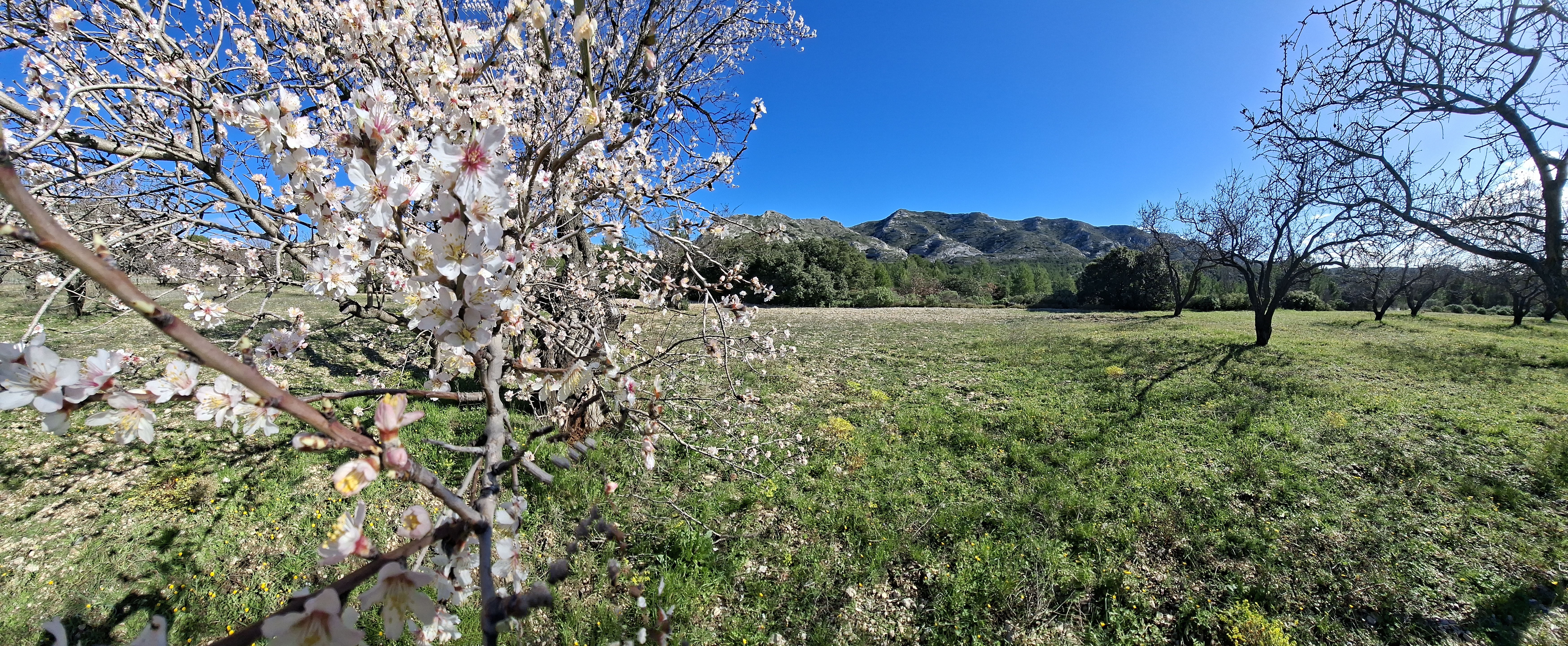
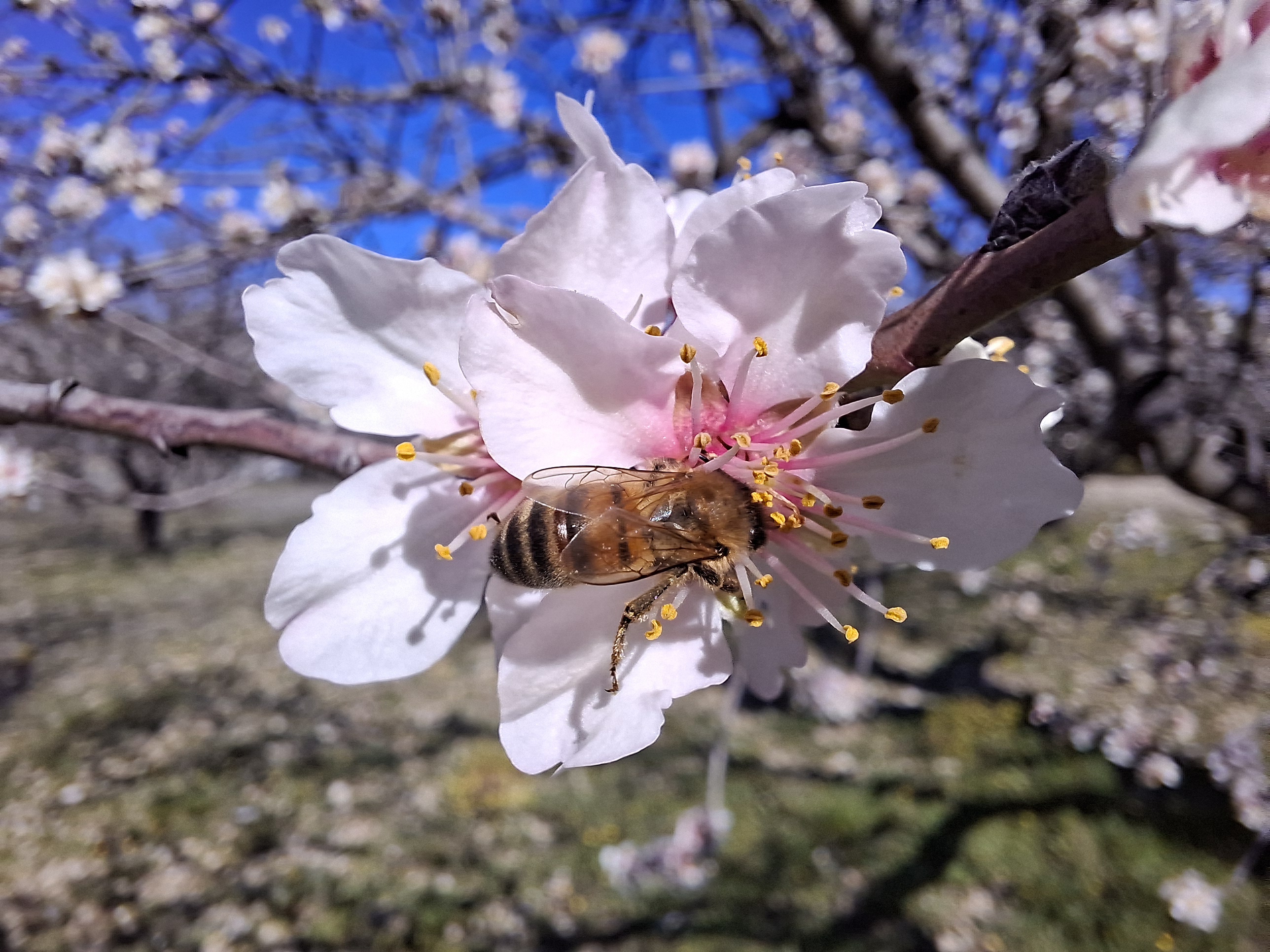
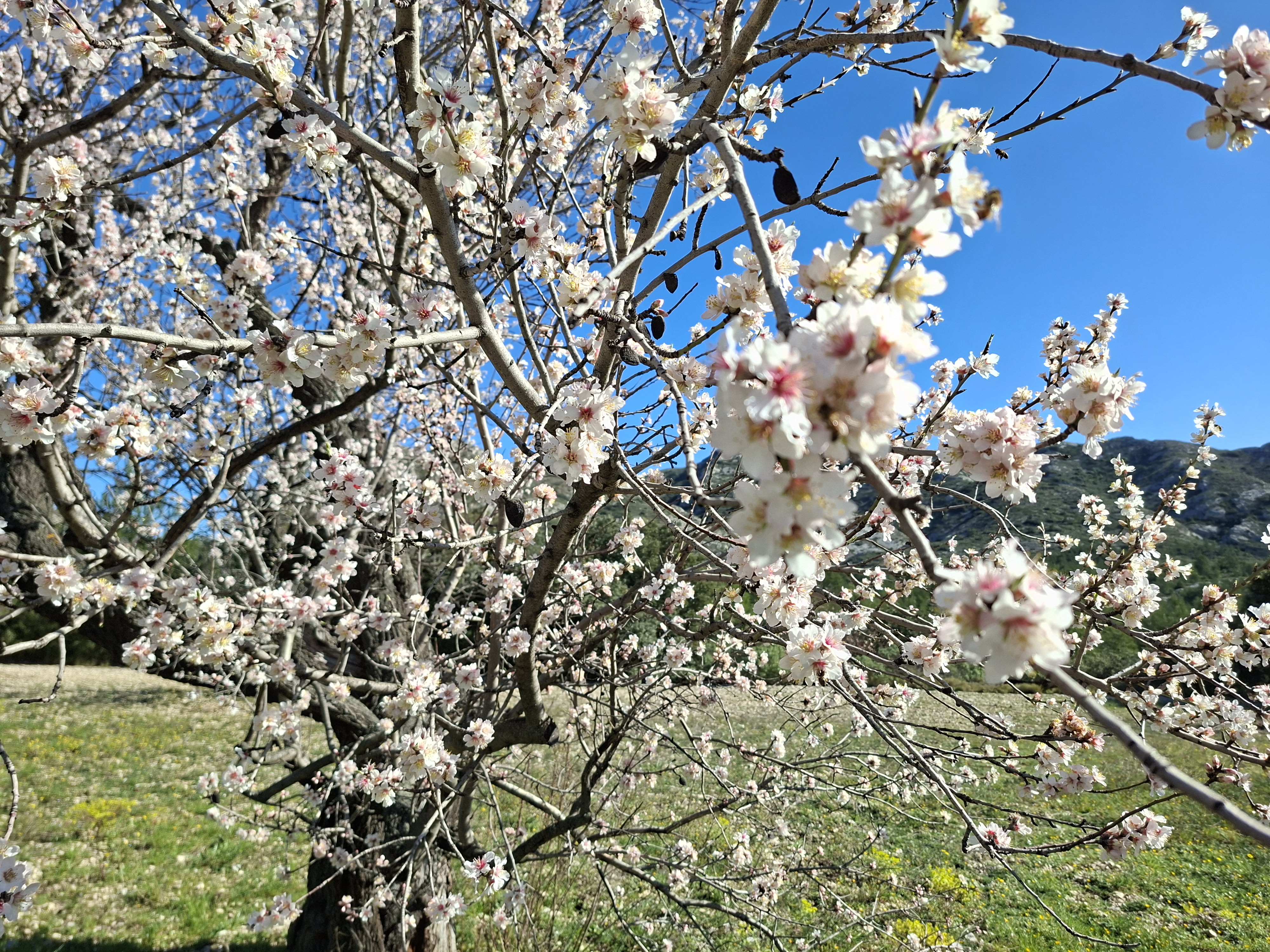
Et puis vous le voyez : les amandiers sont en fleurs.
Pas tous en même temps — ils ont trop de dignité pour ça. Ça commence par une ou deux timides fleurs sur une seule branche, comme un plongeur qui teste l'eau du bout du pied. Puis, en l'espace d'une semaine environ, tout l'arbre éclate en blanc et rose délicat, et soudain le paysage qui avait passé trois mois à ressembler à un dessin au fusain accueille une renaissance en couleur. Les amandiers sont l'acte d'ouverture de la Provence, et ils ne déçoivent jamais.
Ensuite vient le vert. D'abord en petites taches timides — un frémissement de feuilles nouvelles ici, une touffe d'herbe courageuse là. Puis il est partout, tapissant la garrigue, escaladant les murs, comblant tous les espaces bruns que l'hiver a laissés derrière lui. Le monde, qui avait de façon très convaincante semblé mort pendant plusieurs mois, s'avère avoir simplement dormi. Ce qui est, en vérité, rassurant.
Le rêve : l'apéro sur la terrasse
C'est à ce stade que l'esprit, enivré de fleurs et d'optimisme, commence à vagabonder. Vous êtes dans le jardin, encore en deux pulls, mais mentalement vous êtes déjà dans une version différente de ce même endroit — c'est juillet, les cigales assurent un fond sonore enthousiaste, et vous êtes installé sur la terrasse avec un verre de rosé bien frais, la condensation perlant sur la bouteille, une petite assiette de cornichons brillants comme des joyaux, et quelques tranches de saucisson dressées avec une élégance tout à fait superflue.
Cette vision est si puissante, si vivace, si profondément motivante qu'elle vous portera à travers environ quatre mois de labeur physique. Ce qui nous amène, assez abruptement, à l'autre face du printemps en Provence.
La réalité : six cents mètres carrés de caractère
Le potager attend. Il a attendu tout l'hiver, accumulant silencieusement les dégâts comme une facture qu'on évite d'ouvrir. Six cents mètres carrés de jardin potager — ce qui sonnait romanesque quand on s'est installé en Provence et sonne nettement moins romanesque quand on lui fait face début mars avec un râteau et un dos fragile.
La terre doit être retournée. Les planches doivent être nettoyées. Tout ce qui n'a pas marché l'année dernière — les courgettes qui ont fait une grève générale, les tomates victimes d'un mildiou imprononçable, la salade qui a monté en graine par protestation — doit être repensé. On a des plans. Des plans intelligents. Rotation des cultures. Meilleur drainage. Un nouveau système de palissage dessiné dans un carnet et dont on est secrètement fier. Si tout cela survivra au contact du sol réel, c'est, comme toujours, une autre histoire.
Le tas de compost a des opinions bien arrêtées sur la situation et les fait savoir.
Le problème d'agenda (une comédie)
C'est là que le printemps provençal, charmant qu'il soit, révèle une certaine veine sadique. La météo a visiblement consulté votre agenda.
En semaine — quand vous êtes derrière un bureau, en réunion, en train de faire tout ce qui constitue la vie professionnelle moderne — le soleil déverse sa lumière de façon franchement provocatrice. La lumière est extraordinaire. La température est idéale. Le jardin ne demande qu'à être soigné. Vous le voyez depuis la fenêtre. Vous vous faites une note mentale : ce week-end, enfin, vous ferez tout ce qu'il faut faire.
Le week-end arrive. La pluie aussi. Pas une bruine polie et désolée, mais une pluie engagée, portante, qui a clairement des projets et entend les honorer. Vous vous tenez à la fenêtre en bottes, café à la main, regardant le ciel avec l'expression de quelqu'un qui vient d'être personnellement trahi.
Ce n'est pas une coïncidence. C'est simplement le printemps.
Et puis il y a les parents
Avril, naturellement, est le mois où arrivent les parents. Ce qui est merveilleux — vraiment merveilleux — mais introduit un léger problème logistique : ils vont dormir dans une chambre dont le papier peint doit encore être arraché et le mur replâtré. Ce ne sont pas des choix décoratifs. Ce sont des faits sur l'état actuel de la pièce.
On ajoute donc à l'agenda printanier : décoller le papier peint, trouver (ou devenir) un plâtrier, peindre, laisser sécher, meubler. Le tout en parallèle de la préparation du potager, du compostage, de la rotation des planches, et de la négociation permanente avec les courgettes. Pendant que le soleil brille de façon moqueuse du lundi au vendredi et que la pluie se consacre avec enthousiasme aux week-ends.
Le temps est, comme on dit, compté.
Et pourtant
Voilà ce qu'il en est du printemps en Provence : il est, malgré tout ce qui précède, véritablement magnifique. La lumière à six heures du soir quand les nuages se dispersent. L'odeur de la terre après une matinée de pluie. Le premier soir assez doux pour manger dehors — vraiment dehors, sans regret — avec un repas simple et les oiseaux qui font un vacarme absolument déraisonnable.
Les amandiers ne savent rien du potager. Les nouvelles feuilles se moquent du papier peint. Ils font simplement ce qu'ils font chaque année : se réveiller, s'étirer, continuer.
On pourrait sans doute en tirer une leçon.
Si vous voulez bien m'excuser, j'ai un mur à plâtrer.
Provence, mars 2026
🐸 Marcel says:
Ne retournez pas la terre trop tôt. Attendez qu'elle cesse de coller à vos bottes. Une terre froide et compactée mettra toute la saison à se remettre.
ProvencePotager
Partager cet article
Comments
Loading comments...
Enjoying the stories?
Get new articles from Provence delivered to your inbox.